Source Outdoor Brushed Wall Panel for Household, Commercial, Outdoor
Compare 30 listings for outdoor brushed wall panel options featuring WPC material, CE certification, and customizable dimensions. Buyers can evaluate waterproof, anti-static, and thermal insulation properties across various styles and packing methods; compare the available evidence and request quotations based on your requirements.
Key considerations
Products List


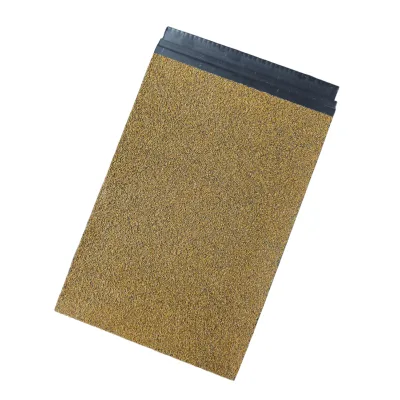
Comprehensive Sourcing Guide
Outdoor Brushed Wall Panel Sourcing Guide
Sourcing outdoor brushed wall panels requires a strategic approach that balances aesthetic durability with functional performance. These panels, often constructed from Wood Plastic Composite (WPC), offer a modern or European style finish that mimics natural wood grain while providing superior resistance to environmental stressors. Buyers must prioritize products that explicitly state suitability for outdoor, commercial, and household usage, ensuring the material can withstand exposure to the elements without degrading. The brushed surface treatment not only enhances visual appeal but also contributes to slip resistance and texture, making it a critical feature for exterior applications where safety and aesthetics intersect.
Procurement decisions should be guided by observed market signals, such as the availability of customization options and specific dimensional standards. Listings frequently indicate that customization is available, allowing buyers to tailor panel dimensions to specific project requirements. Common models observed include dimensions like 21824.52900 mm and 600212440 mm, though exact specifications vary by supplier. Understanding these observed listing signals helps buyers identify suppliers who can meet precise architectural needs, ensuring that the final installation aligns with design intent and structural constraints without compromising on the integrity of the brushed finish or the composite material composition.
Product Scope and Observed Listing Signals
The product scope for outdoor brushed wall panels encompasses a variety of applications, including household exteriors, commercial facades, and outdoor landscaping features. The material is typically identified as Wood Plastic Composite (WPC), which combines the aesthetic qualities of wood with the durability of plastic. Observed listings highlight key attributes such as waterproof, anti-static, soundproof, and thermal insulation properties, which are essential for maintaining comfort and efficiency in various environments. The pattern is often described as wood grain, providing a natural look that blends seamlessly with outdoor settings, while the style ranges from modern to European, catering to diverse architectural preferences and design trends.
Buyers should note the observed price range and minimum order quantities (MOQ) to plan their procurement budgets effectively. Prices in the market typically range from $1.55 to $30 per unit, reflecting variations in material quality, thickness, and surface treatment. MOQs generally start at 100 units and can go up to 5000, with some suppliers specifying an MOQ of 200 square meters. These commercial terms influence the total cost of ownership, especially for large-scale projects. Understanding these signals allows buyers to negotiate better terms, optimize inventory levels, and select suppliers who can accommodate their specific volume requirements while maintaining consistent quality and delivery schedules.
Technical Specifications to Verify
Verifying technical specifications is crucial to ensure the panels meet project requirements. Key dimensions to confirm include width, thickness, and length, with observed standards such as 160201800 mm, 122030600 mm, and 138*10 mm. Thicknesses can vary, with some panels measuring 17 mm or 20 mm, while lengths may be customized to 2.2m, 2.9m, or 5.8m. Buyers should also check the surface treatment options, which often include brushed, sanded, embossed, or wood grain finishes. These details impact the panel’s aesthetic appeal and functional performance, so precise verification is necessary to avoid mismatches between ordered specifications and delivered products.
Additional technical attributes to verify include the panel’s fireproof rating, environmental standards, and warranty terms. Many WPC panels are rated B1 for fire resistance, indicating a high level of safety for outdoor use. Environmental standards such as E0 or EFunction are also important, particularly for projects with strict sustainability requirements. Buyers should confirm the guarantee period, which is often limited to 15 years, and check for the inclusion of accessories like clips, joists, skirting, and screws. These components are essential for proper installation and long-term stability, so ensuring they are included or available separately is a critical step in the procurement process.
Compliance and Safety Documentation
Compliance with safety and environmental standards is non-negotiable for outdoor wall panels. Buyers must verify that suppliers provide valid certifications, such as CE, ISO, and SGS, which attest to the product’s quality and safety. The CE mark indicates conformity with health, safety, and environmental protection standards for products sold within the European Economic Area. ISO certifications ensure that the manufacturer follows international quality management standards, while SGS reports provide independent verification of product performance. These documents are essential for passing regulatory inspections and ensuring that the panels meet the legal requirements of the destination market.
In addition to certifications, buyers should request test reports from reputable laboratories like Intertek and SGS. These reports provide detailed data on the panel’s performance under various conditions, including fire resistance, water absorption, and durability. For instance, the refractory temperature may be listed as below 1000 degrees, which is relevant for fire safety assessments. Buyers should also check for compliance with specific standards such as EN 13501-1, which classifies construction products according to their reaction to fire. Ensuring that all documentation is up-to-date and verifiable helps mitigate risks and protects the buyer from potential liabilities associated with non-compliant products.
Cost Drivers and Commercial Terms
Several factors influence the cost of outdoor brushed wall panels, including material composition, surface treatment, and customization options. WPC panels are generally more expensive than standard plastic alternatives due to their enhanced durability and aesthetic appeal. The brushed or embossed surface treatment adds to the production cost but offers superior slip resistance and visual texture. Customization, such as specific dimensions or colors like coffee, can also increase the price. Buyers should evaluate these cost drivers to determine the best value for their budget, considering both the initial purchase price and the long-term benefits of higher-quality materials.
Commercial terms, including MOQ, packaging, and lead times, also play a significant role in the total cost. MOQs can range from 100 to 5000 units, with some suppliers requiring a minimum of 200 square meters. Packaging options vary, with choices like wooden pallets, iron pallets, cartons, or blister film packing. Standard export packing is common, but custom packaging may be available for an additional fee. Buyers should negotiate these terms to minimize logistics costs and ensure that the panels are protected during transit. Understanding the full scope of commercial terms helps buyers avoid hidden costs and plan their supply chain more effectively.
Supplier Qualification and Quality Control
Qualifying suppliers is a critical step in ensuring the reliability of outdoor brushed wall panels. Buyers should verify the supplier’s origin, with many manufacturers located in regions like Yangzhou, Jiangsu, or Anhui, China. These areas are known for their expertise in WPC production, but buyers should still conduct due diligence to assess the supplier’s reputation and production capabilities. Requesting samples is essential to evaluate the quality of the brushed finish, the accuracy of dimensions, and the overall durability of the panels. This hands-on inspection helps buyers identify any potential issues before committing to a large order.
Quality control processes should also be scrutinized to ensure consistent product quality. Buyers should ask about the supplier’s quality assurance protocols, including in-process inspections and final product testing. Suppliers with robust QC systems are more likely to deliver products that meet specified standards and perform well in the field. Additionally, buyers should check for the supplier’s ability to provide test reports and certifications, which serve as evidence of their commitment to quality. Establishing a strong relationship with a qualified supplier ensures that the buyer receives reliable products and can address any issues promptly, reducing the risk of project delays or failures.
Long-Term Procurement Checks
Long-term procurement success depends on regular monitoring of supplier performance and product durability. Buyers should establish a schedule for periodic quality audits and performance reviews to ensure that the supplier continues to meet agreed-upon standards. This includes checking for any changes in material composition, surface treatment, or packaging that could affect the product’s performance. Maintaining open communication with the supplier allows buyers to address any concerns early and make necessary adjustments to the procurement strategy. Regular feedback loops help build a collaborative relationship that benefits both parties and ensures consistent quality over time.
Additionally, buyers should track the long-term performance of the installed panels to gather data on durability and maintenance requirements. Observing how the panels withstand weather conditions, UV exposure, and physical wear over the 15-20 year guarantee period provides valuable insights for future procurement decisions. This data can be used to refine specifications, negotiate better terms, or switch suppliers if performance declines. By focusing on long-term checks, buyers can optimize their procurement strategy, reduce lifecycle costs, and ensure that their outdoor wall panels continue to perform reliably for years to come.
FAQs
What materials are used for outdoor brushed wall panels?
Outdoor brushed wall panels are primarily manufactured from Wood Plastic Composite (WPC) materials. This composite offers durability and resistance to environmental factors. The surface treatment includes brushed, grooved, or embossed finishes to enhance aesthetic appeal and texture. These panels are designed for long-term performance in various settings.
Can outdoor brushed wall panels be customized for specific projects?
Yes, customization is available for outdoor brushed wall panels to meet specific project requirements. Buyers can select from various dimensions, such as 138*10mm or 160*20*1800mm, and choose from different surface finishes like brushed or sanded. Custom packaging options are also provided to ensure safe delivery and storage for diverse commercial applications.
What certifications do outdoor brushed wall panels typically hold?
Outdoor brushed wall panels typically hold CE certification, ensuring compliance with European safety and quality standards. Some products also feature SGS and ISO certifications for additional verification. These credentials confirm the material's reliability and safety for use in household, outdoor, and commercial environments, providing buyers with confidence in the product's regulatory adherence.
What are the key functions of outdoor brushed wall panels?
Key functions include waterproof, anti-static, soundproof, and thermal insulation properties. These features make the panels suitable for diverse applications, from residential to commercial use. The wood grain pattern adds aesthetic value while maintaining practical benefits. The panels are designed to withstand outdoor conditions, ensuring longevity and minimal maintenance for building exteriors and interiors.
What is the typical lifespan of outdoor brushed wall panels?
The typical lifespan of outdoor brushed wall panels ranges from 15 to 20 years. This durability is supported by limited 15-year guarantees offered by many suppliers. The WPC material composition ensures resistance to weathering and wear. Regular maintenance can further extend the service life, making these panels a cost-effective solution for long-term architectural projects.
How are outdoor brushed wall panels packaged for shipping?
Outdoor brushed wall panels are packaged using wooden pallets, iron pallets, cartons, or blister film packaging. Standard export packing is commonly used to protect the products during transit. Custom packaging options are also available to meet specific logistical needs. This ensures the panels arrive in pristine condition, ready for installation without damage from handling or environmental exposure.